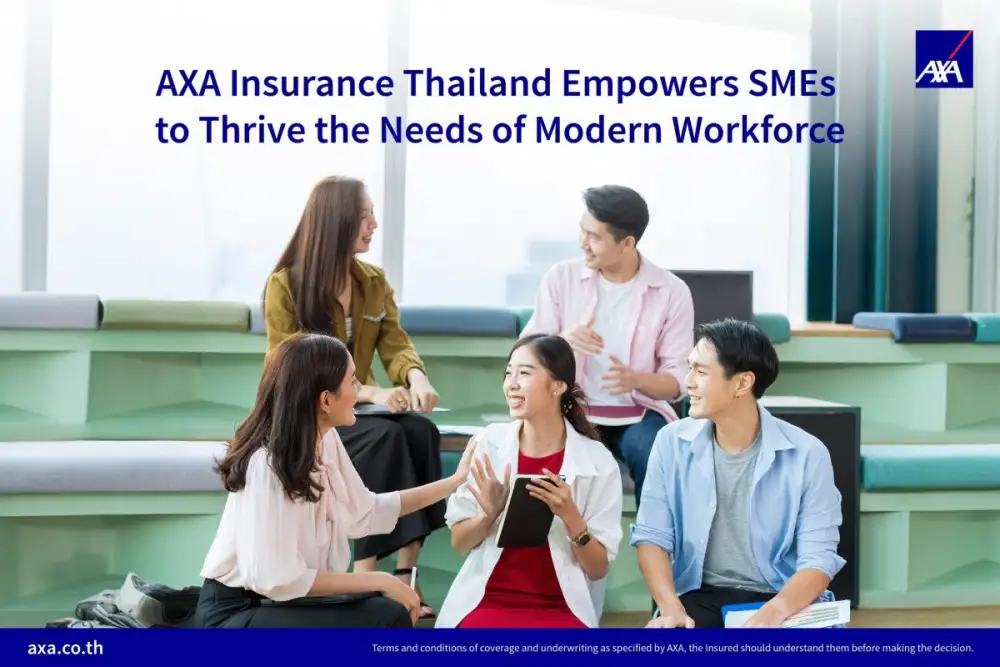
AXA Insurance Thailand is reinforcing the importance of comprehensive employee benefits, as evolving workforce expectations continue to reshape how organisations attract and retain talent.
Recent insights from JobsDB by SEEK reveal that leading organisations in Thailand are increasingly prioritising non-monetary benefits to enhance the quality of life. These include flexible or hybrid work arrangements, continuous learning opportunities and access to physical and mental healthcare support. Notably, comprehensive health insurance is emerging as a key differentiator and contributing to higher job satisfaction and reduced employee turnover.
As businesses navigate this shift, there is a growing need for solutions that balance employee well-being with cost efficiency, particularly among small and medium-sized enterprises (SMEs), which form the backbone of Thailand's economy.
To address this need, AXA Insurance Thailand is introducing AXA Smart Health for SMEs, a group health insurance solution designed for businesses with 20 or more employees. Offering affordable premiums and medical coverage of up to THB 1,000,000 per illness, the plan features straightforward enrolment with no medical questionnaire required and a uniform premium rate across all age groups. Businesses can further tailor their coverage with optional wellness benefits including vaccinations, annual health check-ups, dental care, and optical services.
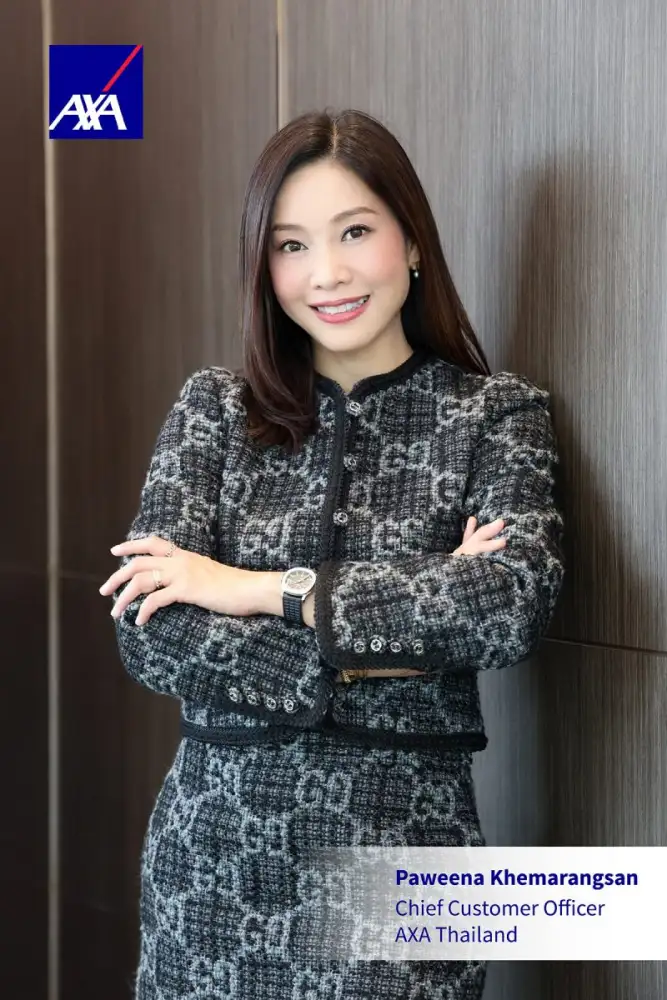
"Every employer wants to take care of their people, the challenge is finding the right solution that works for their business. At AXA, our role is to make that easier. With AXA Smart Health for SMEs, we're giving businesses of every size the tools to offer meaningful health coverage and protection that their employees truly deserve. Because when employees feel secure, businesses thrive," said Paweena Khemarangsan, Chief Customer Officer of AXA Insurance Thailand.
As workforce expectations continue to evolve, AXA Insurance Thailand remains dedicated to supporting businesses with solutions that not only protect employees but also contribute to long-term organisational sustainability.